Oriented Strand Board, commonly known as OSB, has become a dominant material in construction and industrial sectors due to its exceptional strength, versatility, and affordability. Engineered to meet specific structural needs, OSB offers a competitive edge over traditional materials like plywood and has gained the trust of builders and manufacturers across the globe.
If you’re considering OSB for your next project, this comprehensive guide will walk you through everything you need to know—from its manufacturing process to its applications, grades, and benefits. By the end, you’ll be equipped to make informed decisions about incorporating OSB into your construction plans.
What is OSB?
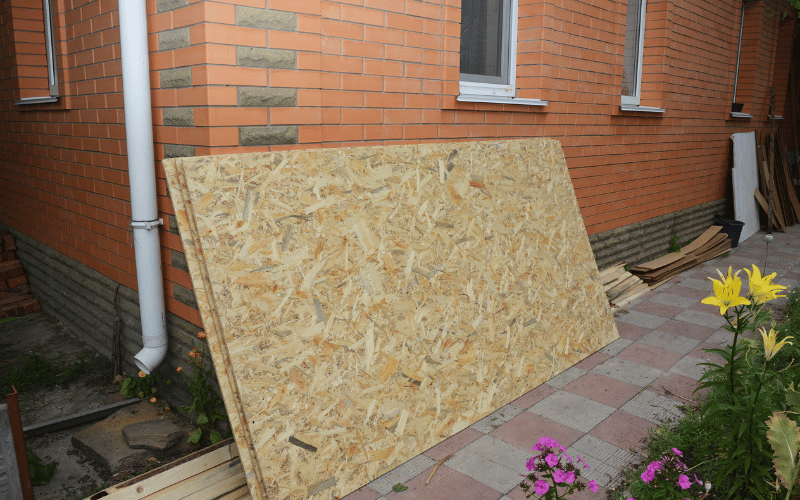
OSB, or Oriented Strand Board, is an engineered wood product made by compressing layers of wood strands mixed with adhesives under high heat and pressure. The wood strands are strategically aligned in cross-oriented layers, enhancing the board’s strength and stability. This unique construction method makes OSB a reliable and uniform choice for structural applications in building and construction.
Available in a variety of grades and thicknesses, OSB is tailored to suit a wide range of environments and project requirements. Whether you’re looking for material to reinforce walls, roofs, or flooring, OSB delivers durability and cost-efficiency without compromising quality.
Key Facts About OSB:
- Available in common thicknesses like 9mm, 12mm, and 18mm.
- Engineered for consistent strength and structural integrity.
- Widely used in residential and commercial construction.
How is OSB Manufactured?
The production of OSB is a high-tech, precision-driven process designed to maximize the material’s performance. Here’s a quick overview:
- Wood Procurement: Renewable softwood species such as aspen, birch, and pine are commonly used for OSB. The wood is sourced sustainably, contributing to the overall eco-friendly nature of the product.
- Strand Preparation: Logs are debarked and cut into thin, rectangular strips or “strands.” These strands are dried to achieve the ideal moisture content.
- Adhesive Application: Strands are coated with waterproof resins and waxes, which enhance moisture resistance and durability.
- Layering and Orientation: The strands are spread out in cross-oriented layers—each layer arranged perpendicular to the one beneath it. This orientation ensures structural stability and reduces weak spots.
- Compression and Heating: Once layered, the material is subjected to intense heat and pressure, bonding the strands and adhesives into a dense, uniform panel.
- Trimming and Grading: The boards are then cut to standard sizes (typically 2400mm x 1200mm) and graded according to strength, moisture resistance, and intended use (e.g., OSB3 or OSB4).
This precise manufacturing process results in OSB panels that are consistently strong, durable, and ready for a range of demanding applications.
Advantages of OSB Over Traditional Plywood
1. Uniform Strength
OSB’s cross-oriented layers provide consistent structural performance across the entire panel. Unlike plywood, which can have weak spots caused by veneer defects or voids, OSB offers uniform strength and stability.
2. Cost-Effectiveness
OSB is typically more affordable than plywood. Its efficient manufacturing process and reliance on smaller, renewable wood strands contribute to this cost advantage, making it an ideal choice for budget-conscious projects.
3. Moisture Resistance
High-quality OSB, such as ROCPLEX products, includes advanced moisture-resistant resins, significantly reducing swelling or damage in humid environments. This feature makes it highly reliable for outdoor or moisture-prone applications.
4. Sustainability
OSB manufacturing uses fast-growing, plantation-grown wood species and minimizes waste by utilizing smaller wood fragments. Additionally, many OSB products carry certifications for sustainable forestry practices, such as FSC or PEFC.
5. Customizable Options
OSB panels are available in various thicknesses, grades, and surface finishes, allowing builders to choose materials tailored to specific project needs.
6. Eco-Friendly Manufacturing
Compared to traditional wood options, OSB manufacturing produces less waste and efficiently uses wood resources, contributing to greener building practices.
Common Applications of OSB
OSB is a versatile material with numerous applications in the construction industry. Here are some of the most common uses:
1. Wall Sheathing
Builders widely use OSB for external wall sheathing because of its structural integrity and ability to maintain stability under various loads. Its smooth surface also makes it ideal for applying cladding or siding.
2. Roof Decking
The uniform thickness of OSB ensures level surfaces, making it a popular choice for roof decking. OSB panels offer excellent support for shingles and other roofing materials, while their moisture resistance prevents water damage over time.
3. Flooring Systems
For subfloors and flooring, especially in high-traffic areas, OSB provides robust support and minimizes squeaking. Thicker panels, such as 18mm OSB, are particularly suited for heavy-duty flooring projects.
4. Temporary Structures
Due to its affordability and ease of installation, OSB is widely used for temporary walls, partitions, and fencing on construction sites. Its durability ensures reliable performance even in short-term applications.
5. Packaging
OSB is also used to create durable packaging solutions like pallets, crates, and industrial containers. Its strength and resistance to damage make it suitable for transporting heavy goods.
Grades of OSB (OSB3 vs. OSB4)
OSB products are classified into different grades based on their moisture resistance and structural performance. Understanding these grades is essential for selecting the right material for your project.
OSB3
- Designed for general construction applications in moderate humidity conditions.
- Suitable for walls, roofs, and interior partitions.
- Offers a balance of performance and affordability, making it a versatile option for residential and commercial use.
OSB4
- Higher strength and moisture resistance than OSB3.
- Ideal for demanding structural applications or high-humidity environments.
- Frequently used in industrial and heavy-duty projects requiring long-term durability.
For applications exposed to significant stress or environmental challenges, OSB4 is the recommended choice. However, OSB3 is sufficient for many everyday construction needs.
Thickness Options and Their Uses
The thickness of OSB panels plays a crucial role in determining their suitability for specific applications. Here’s a quick guide:
- 9mm OSB: Best for lightweight needs like decorative paneling or interior partitions.
- 12mm OSB: A versatile choice for roofing and wall sheathing.
- 18mm OSB: Designed for heavy-duty applications, such as flooring and industrial usage.
Choosing the correct thickness ensures optimal performance and prevents issues like sagging or instability.
Comparing OSB and Plywood
While both OSB and plywood serve similar purposes, their key differences often make OSB the preferred option for many builders.
|
Feature |
OSB |
Plywood |
|---|---|---|
|
Strength |
More uniform structural properties due to engineered layers. |
May contain weak spots from veneer defects. |
|
Cost |
More affordable. |
Higher cost due to solid wood veneers. |
|
Moisture Resistance |
High-quality OSB resists moisture effectively. |
Limited resistance unless treated. |
|
Sustainability |
Made from renewable wood strands. |
Utilizes larger logs, which may impact forests more. |
For large-scale construction where affordability and uniformity are priorities, OSB often outperforms plywood.
Tips for Choosing the Right OSB
- Consider the Application: Identify whether the OSB will be used structurally (e.g., flooring) or decoratively (e.g., paneling).
- Check the Grade: Choose OSB3 or OSB4 depending on the environment’s humidity levels and load requirements.
- Select the Right Thickness: Match the panel thickness to the specific demands of your project.
- Verify Sustainability: Look for FSC or PEFC certification to ensure eco-friendly sourcing.
- Assess the Moisture Resistance: For outdoor or damp environments, prioritize panels with high moisture resistance.
Final Thoughts
OSB (Oriented Strand Board) has established itself as a game-changer in the building industry. Its exceptional strength, affordability, and sustainability make it a top choice for everything from wall sheathing and roofing to flooring systems. By selecting the right grade and thickness for your specific needs, you can harness the full potential of this versatile material.
Whether you’re planning a large-scale construction project or a home renovation, OSB offers the reliability and performance you need—all while minimizing costs and environmental impact.