
When it comes to plywood, one size has risen above the rest as a global standard in the construction and furniture industries—2400 x 1200 millimeters, also known as 8×4 feet in imperial terms. This sheet size is renowned for its practicality, efficiency, and compatibility with framing and transport systems worldwide. Used across diverse applications, from formwork to furniture, 2400 x 1200 plywood has become the go-to choice for builders, contractors, and manufacturers alike.
What makes this plywood size so special? Let’s explore its benefits, applications, and why it stands as the universal benchmark for durability and versatility.
The Benefits of 2400 x 1200 Plywood
1. Perfectly Sized for Efficiency
The 2400 x 1200 dimension fits seamlessly into common construction and manufacturing standards. Its size matches standard wall stud spacing, reducing the need for extensive trimming on-site. For builders, this translates into faster installation, less waste, and significant labor savings. It’s also easy to handle and transport, fitting neatly onto trucks, forklifts, and storage shelves.
2. Versatility Across Industries
From framing to furniture, 2400 x 1200 plywood offers unparalleled flexibility. It’s available in a variety of thicknesses, typically ranging from 3mm to 25mm, and can be configured for specific applications. Whether it’s formwork for concrete casting, subflooring for homes, or veneered panels for sleek cabinetry, this plywood size can efficiently serve multiple purposes.
3. Optimized for Stability and Strength
This plywood is built for reliability. Its cross-grain veneer construction ensures structural stability and durability, reducing risks like warping, bowing, or splitting. Depending on the grade and type, 2400 x 1200 plywood can bear heavy loads, withstand environmental pressures, and provide a flat, stable surface for finishing.
4. Cost Effectiveness
Standardized production and consistent dimensions enable cost efficiencies for manufacturers, suppliers, and end users. Plywood sheets of this size reduce waste during cutting and simplify inventory management, making them an economical choice for small-scale and large-scale projects alike.
Why 2400 x 1200 is the Global Standard
The widespread popularity of 2400 x 1200 plywood isn’t accidental—it’s a result of its unique ability to solve construction and manufacturing challenges. Here’s why it’s preferred over alternative sheet sizes:
Compatibility with Framing Systems
Construction frameworks, particularly those in residential and commercial buildings, are often spaced to accommodate 2400 x 1200 sheets. These panels align perfectly with common wall stud grids, minimizing cutting and material waste.
Ease of Transport and Storage
Larger panels are difficult to move, require specialized equipment, and can be cumbersome to store. Smaller panels, on the other hand, increase the number of seams and joints, complicating both installation and aesthetics. The 2400 x 1200 size strikes a perfect balance—large enough to cover significant areas quickly while still manageable for transport and handling.
Reduction in Labor and Waste
Builders save valuable time by using this size as it often requires minimal cutting on-site. By reducing excess material and improving the ease of installation, 2400 x 1200 plywood boosts overall project efficiency.
Applications of 2400 x 1200 Plywood
This globally recognized size is utilized across a broad range of industries. Its adaptability has made it indispensable for numerous applications:
1. Wall Sheathing and Bracing
2400 x 1200 plywood is an excellent choice for wall sheathing and structural bracing. Its large surface area and thickness options provide stability, impact resistance, and added strength to building frameworks.
2. Flooring and Subflooring
The uniform thickness of these sheets makes them perfect for flooring and subflooring, providing a stable base that can withstand heavy loads without sagging.
3. Cabinetry and Joinery
Furniture makers value the flat, predictable surfaces of 2400 x 1200 plywood for veneering, painting, or laminating. Its strength and smoothness make it a reliable material for crafting cabinets and other pieces.
4. Formwork
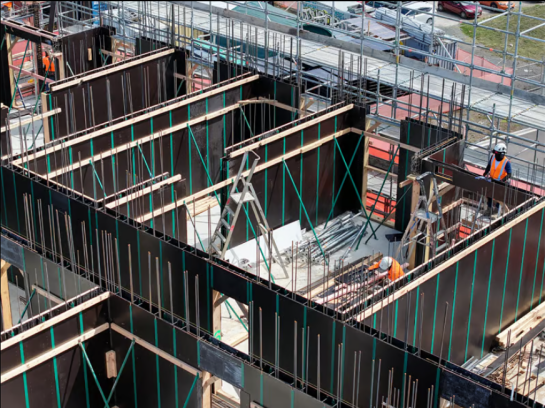
Film-faced 2400 x 1200 plywood is an industry favorite for shuttering and formwork applications. The smooth surface ensures consistent concrete casting while maintaining durability for multiple uses.
5. Ceiling Linings and Roof Panels
Lightweight yet sturdy, 2400 x 1200 plywood sheets work well in overhead applications, including ceilings and roofing. Their large dimensions reduce the number of sheets required, expediting project timelines.
Customization Options
Not all 2400 x 1200 plywood is created equal. Manufacturers offer customization to cater to specific project requirements:
- Face Veneers: Opt for hardwood veneers like birch or oak for an upscale look, or go with economical softwood like pine for structural uses.
- Core Materials: Plywood cores can be made from poplar, eucalyptus, or even combi cores for added strength and performance.
- Thickness Variations: Available from as thin as 3mm for lightweight needs to 25mm for heavy-duty applications.
- Surface Treatments: Buyers can choose unfinished plywood or go for film-faced, melamine-coated, or UV-finished surfaces for added functionality.
Environmental Advantages
Sustainability is an increasingly important factor in material selection, and plywood excels in this area. By using thin layers of wood veneer, manufacturers maximize timber utilization, resulting in less waste than solid wood processing. Additionally, many 2400 x 1200 plywood products are crafted from fast-growing plantation timber, and eco-friendly adhesives (E0 or E1 rated for low emissions) ensure compliance with green building standards.
Certifications like FSC or PEFC guarantee responsible forestry practices, making it easier for builders to align with environmental goals like LEED or Green Star ratings.
How to Choose the Right 2400 x 1200 Plywood
Selecting the correct plywood for your project requires careful consideration of the application and requirements. Here are some tips to guide your decision:
1. Identify the Application
Determine whether the plywood will be used structurally (e.g., flooring, walls) or decoratively (e.g., furniture, wall panels).
2. Choose the Right Core
For general use, poplar cores offer a lightweight option, while hardwood cores are better for heavy-duty applications requiring enhanced strength.
3. Select the Glue Type
Moisture-Resistant (MR) glue works well for dry areas, while Water and Boil Proof (WBP) glue is essential for damp or humid environments.
4. Pick the Grade
For visible surfaces, prioritize A or B grade veneers that offer a smooth and attractive finish. C or D grades are suitable for hidden or structural applications.
5. Consider Certification Needs
Ensure compliance with local building codes by selecting plywood certified for structural or environmental standards.
Final Thoughts
2400 x 1200 plywood has rightfully earned its reputation as a trusted choice for builders worldwide. Its universal compatibility, combined with versatility, cost-effectiveness, and performance, make it an irreplaceable material in construction and furniture production. Whether you’re constructing walls, laying floors, or crafting cabinets, these standardized sheets deliver both practicality and quality.
By choosing the right grade and customization options, you can leverage the advantages of 2400 x 1200 plywood for your specific needs. This size might be standard, but its performance and adaptability are anything but ordinary. Builders around the globe rely on it for one reason—it works.