When designing interiors, the choice of material can make or break the overall look, durability, and functionality of your furniture. Enter furniture plywood—a material that has revolutionized interior design by seamlessly combining form and function. Known for its versatility, cost-effectiveness, and high-end aesthetic, furniture plywood is becoming a top choice in modern interiors. Whether you’re furnishing a home or outfitting a commercial space, this engineered wood provides the perfect balance between practicality and style.
What is Furniture Plywood?
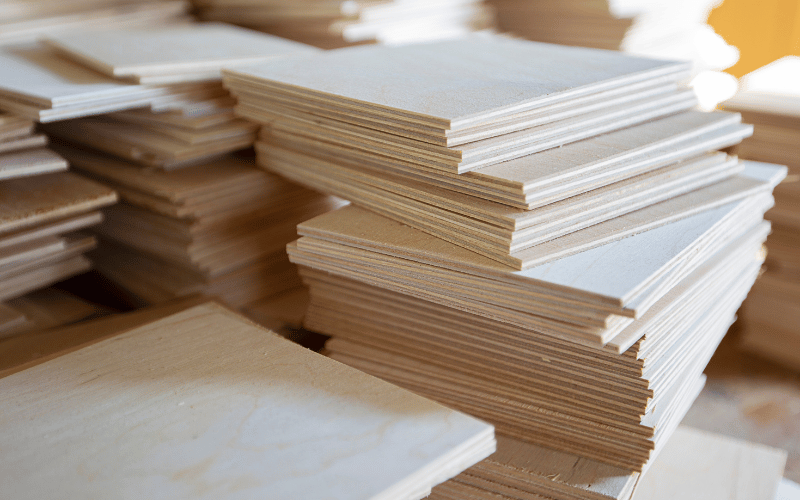
Furniture plywood is crafted from multiple layers of wood veneer glued together, with the grain of each layer placed at a 90-degree angle to the layer beneath it. This cross-grain construction gives it remarkable strength, stability, and resistance to warping or splitting—issues commonly associated with solid wood. Depending on the type of veneer and adhesive used, furniture plywood can be adapted for a wide range of applications and finishes.
Benefits of Furniture Plywood
1. Exceptional Versatility
One of furniture plywood’s greatest strengths lies in its adaptability. It can be used in various types of furniture and interior projects, from sleek modern tables to classic wooden cabinets. The surface of ply can be finished in multiple ways—stained, painted, or laminated—making it easy to achieve virtually any look.
2. Cost-Effectiveness
Compared to solid wood, furniture plywood is far more economical. Since it’s made from thin layers of wood rather than large chunks of timber, it leverages resources more efficiently. This affordability makes plywood an accessible option for homeowners and designers aiming for high-quality interiors without breaking the bank.
3. Durability and Stability
Furniture plywood’s layered construction ensures superior stability and resistance to environmental changes, such as fluctuations in humidity. Unlike solid wood, which can expand, contract, or even split under such conditions, plywood remains intact and functional. This durability translates into furniture items with a longer lifespan.
4. Aesthetic Appeal
Despite being engineered wood, furniture plywood can rival the appearance of solid wood. With high-quality veneers like oak, walnut, or maple, it offers a premium appearance while retaining its structural advantages.
Types of Furniture Plywood
Furniture plywood is available in various types, each designed for specific needs and applications.
1. Decorative Plywood
Decorative plywood is often used for surfaces that remain visible, such as table tops, cabinet doors, and wall panels. It features a fine veneer made from premium wood species, offering an upscale look. Its natural grain patterns make it an ideal choice for designers wanting a luxurious, polished aesthetic.
2. Hardwood Plywood
Made from hardwood species like birch or maple, this type of plywood offers superior strength and durability. It performs exceptionally well in furniture requiring robust construction, such as heavy-duty wardrobes or load-bearing bookshelves, and holds screws securely for long-term stability.
3. Softwood Plywood
Crafted from coniferous trees such as pine, softwood plywood is often a more economical option than hardwood varieties. While not as visually striking, it is well-suited for less visible furniture elements like interior shelving or cabinet structures.
4. Specialty Plywood
Certain plywood varieties, such as moisture-resistant plywood, are treated to withstand specific conditions. These are perfect for kitchens, bathrooms, or outdoor furniture projects where exposure to moisture is a concern.
Comparison with Other Materials
Furniture plywood sits in a unique position between solid wood and other engineered materials like MDF or particleboard. Here’s how it stacks up:
Furniture Plywood vs. Solid Wood
- Durability: While solid wood is admired for its natural beauty, it is prone to warping and splitting. Furniture plywood’s cross-grain structure eliminates these issues, ensuring better stability over time.
- Cost: Solid wood is generally more expensive due to the larger sections of timber required. Plywood offers a comparable aesthetic at a fraction of the cost.
- Weight: Solid wood furniture is often heavy and challenging to move. Plywood furniture is lighter, making it easier to handle, transport, and install.
Furniture Plywood vs. Engineered Wood (MDF or Particleboard)
- Strength: MDF and particleboard lack the structural integrity of plywood, making them unsuitable for furniture bearing heavy loads.
- Aesthetic: Furniture plywood delivers a natural wood grain that requires little finishing to look high-end. On the other hand, engineered wood typically needs veneers or laminates to mimic the appearance of real wood.
- Resistance to Moisture: Plywood performs notably better in humid conditions compared to MDF, which can swell and deteriorate when exposed to moisture.
Applications of Furniture Plywood
Thanks to its versatility and range of aesthetic options, furniture plywood is used across a variety of interior projects:
1. Cabinets and Shelving
Plywood’s strength and ability to hold screws securely make it ideal for cabinets and shelves. Whether for storing books or kitchenware, it offers durability and style.
2. Tables and Desks
The stability of plywood makes it perfect for tabletops, which need to endure daily wear and tear. Its smooth surface can be finished to complement any room’s design, from minimalist home offices to vibrant dining spaces.
3. Wardrobes and Storage Units
Combining lightweight construction with impressive durability, furniture plywood is a practical and stylish choice for wardrobes and storage furniture.
4. Interior Wall Panels
Decorative plywood panels add texture and warmth to interiors, creating a cozy ambiance in living rooms, bedrooms, or commercial spaces.
Tips for Maintaining Furniture Plywood
To ensure furniture plywood pieces stay in pristine condition for years, follow these care tips:
- Regular Cleaning: Dust surfaces weekly and wipe them down with a damp, soft cloth to maintain their natural luster.
- Protection from Hot or Wet Items: Use coasters, placemats, or protective pads under hot dishes or wet glasses to avoid damaging the finish.
- Avoid Abrasive Cleaning Products: Gentle cleaning solutions are best. Harsh chemicals can scratch or dull the surface.
- Conditions Matter: Keep plywood furniture in environments with stable humidity levels to maximize its lifespan.
Why Furniture Plywood is a Top Choice for Modern Interiors
Furniture plywood is more than just a functional material—it’s a design solution that brings beauty, practicality, and longevity to any space. From its cost-effectiveness and stability to its aesthetic appeal and versatility, it ticks a lot of boxes for both budget-conscious homeowners and adventurous designers. Whether you’re building custom furniture or upgrading your interiors, furniture plywood offers a level of reliability and style that’s hard to match. With proper care, it delivers not just furniture, but an enduring sense of sophistication.